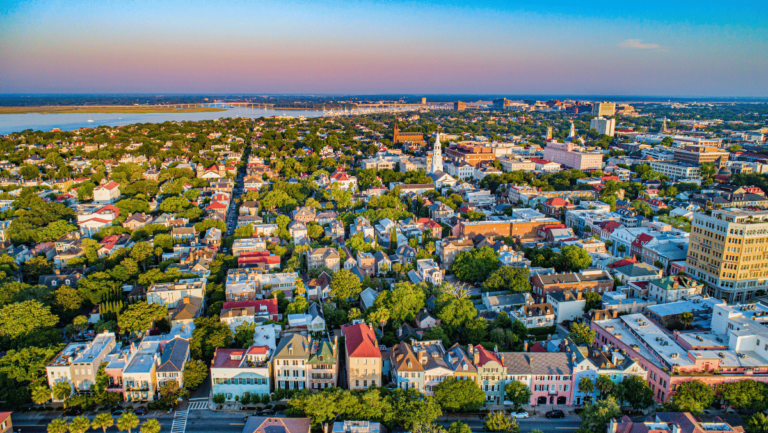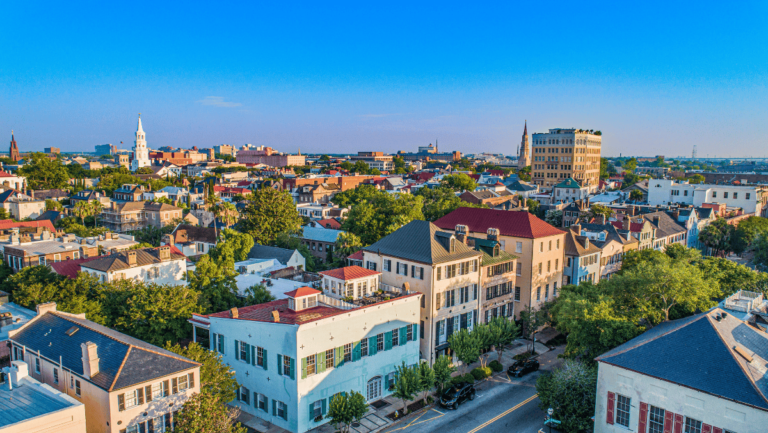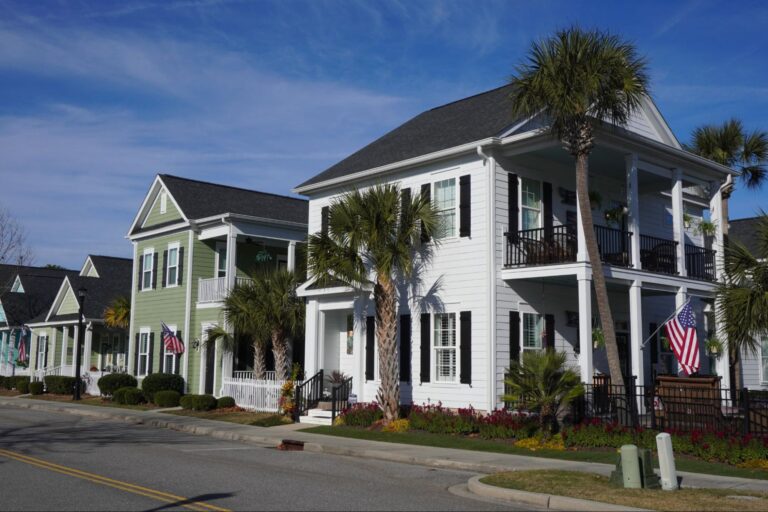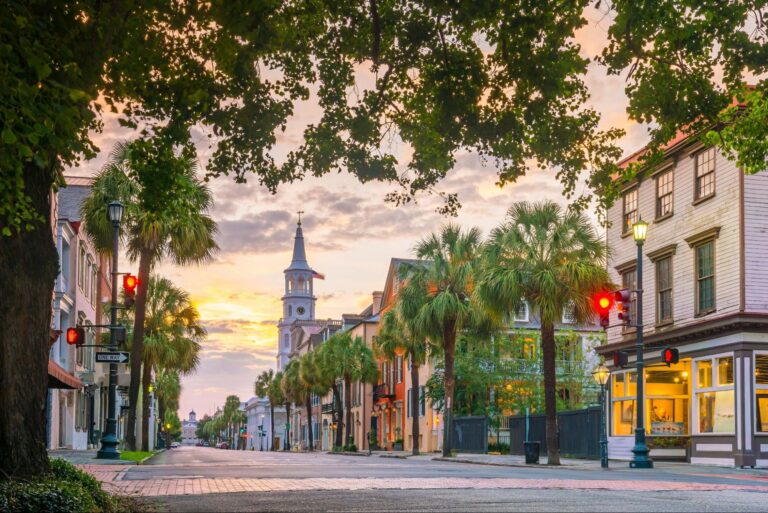

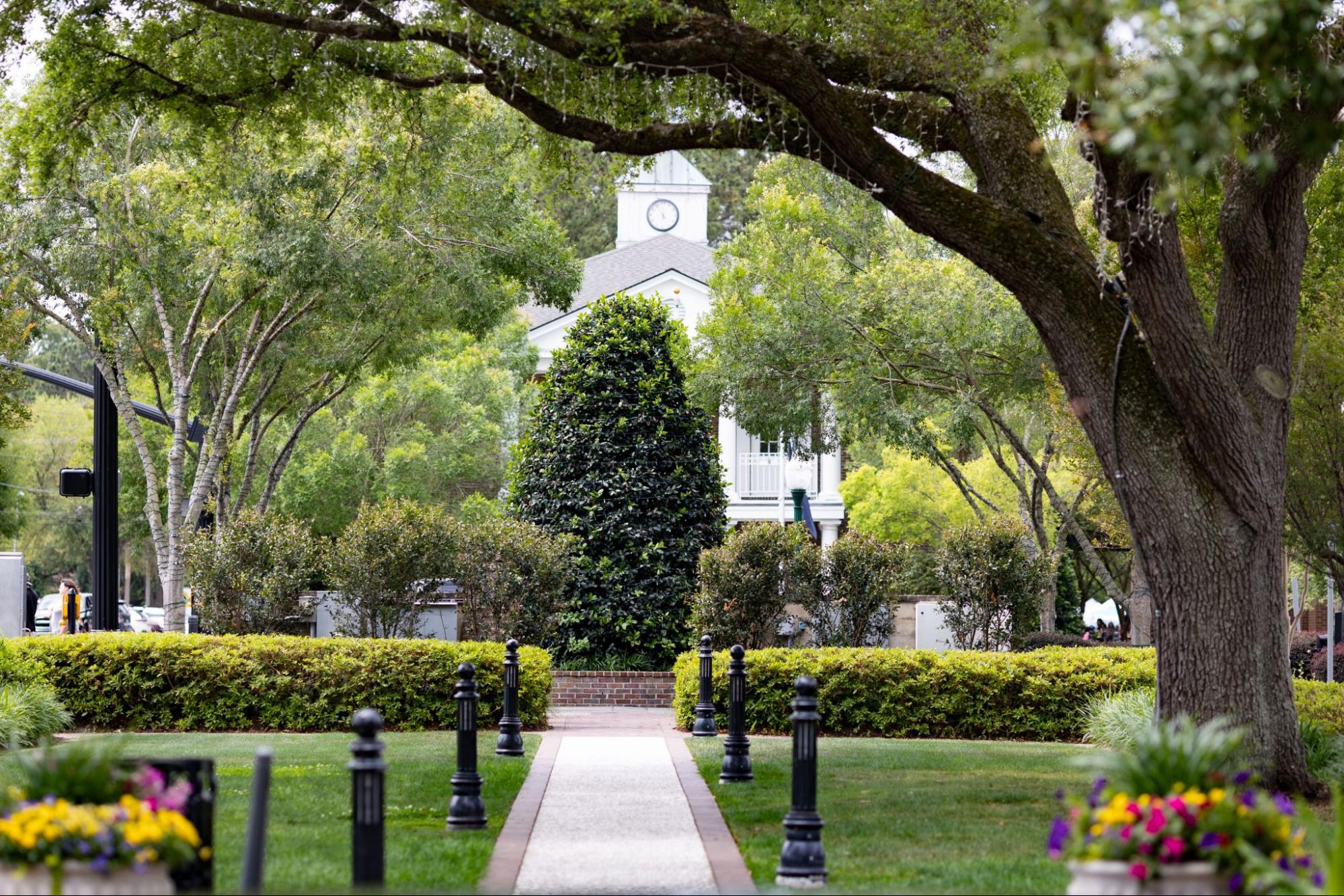
Are you considering a move to Summerville, South Carolina, a suburb located just north of Charleston? If so, it’s essential to understand both the perks and the drawbacks of living in this charming town. In this article, we’ll walk through the noteworthy pros and cons of Summerville to help you make an informed choice about your new home town.
Location
Summerville is about 25 miles north of Charleston, and depending on your commute, it can take anywhere between 30 to 45 minutes to get to downtown Charleston or to the nearest beaches. The area is expansive, so your experience may vary considerably based on where you choose to live. For those who prefer being in the suburbs and away from the hustle and bustle, Summerville can very well fit your needs, given its unique charm and distinct identity.
Pros of Living in Summerville
1. Historic Charm
Summerville has a rich history dating back to the late 1700s, originally attracting those looking for a respite from the heat and diseases that plagued Charleston. Officially becoming a town in 1847, Summerville is known for its preserved historic sites and holds the distinction of being the “birthplace of sweet tea.” You can even find the Guinness World Record for the largest iced tea right in town—and every year, Summerville celebrates its claim to fame by hosting the annual Sweet Tea Festival.
- Quaint Downtown: The historic downtown area offers a charming atmosphere with shops, restaurants, and an iconic square, Hutchinson Square.
- Unique Attractions: Don’t miss the oldest pharmacy in South Carolina, operating since 1871, complete with nostalgic soda and candy counters.
2. Quality of Life
The quality of life in Summerville is another major advantage. With access to numerous parks, recreational facilities, and community events, there’s always something to do.
- Azalea Park: A beautiful 12-acre park featuring ponds, tennis courts, and an array of sculptures.
- Community Events: Summerville hosts various festivals such as the Flowertown Festival, attracting thousands of visitors yearly.
3. Affordability
Compared to many areas in Charleston, Summerville offers comparatively affordable housing options. The median home price ranges from $350,000 to $400,000, a significant discount compared to the Charleston median of about $640,000.
- Lower Property Taxes: South Carolina typically has lower property taxes than states like California or New York, which may translate to substantial savings annually.
Cons of Living in Summerville
1. Traffic Issues
As with many suburban areas, traffic can be a considerable drawback, especially during peak commuting hours. Congestion can lead to frustrating delays, particularly on Main Street and around the newer master-planned communities.
- One-Lane Roads: Some newly developed areas, like Nexton Parkway, have only one lane, exacerbating traffic flow problems during busy times.
2. Overcrowding Concerns
Summerville’s rapid growth—from a population of just 3,000 40 years ago to over 46,000 today—has raised concerns about overcrowding and infrastructure limitations.
- School Crowding: Schools have experienced overcrowding and frequent zoning changes, which might be a significant concern for families.
3. Lot Sizes in New Developments
Newer neighborhoods often have smaller lot sizes—averaging around 0.16 acres—which could be a downside for those seeking room for outdoor activities.
- Commute Times: Homes at the back of large communities may require longer drives to access main roads, which can add time to your daily commute.
Conclusion
Summerville, SC, presents an intriguing mixture of historical charm, affordability, and community vibrancy juxtaposed with challenges such as traffic, overcrowding, and the limitations of newer developments. If you’re drawn to suburban life close to a major city, Summerville could be the perfect place for you. However, evaluating whether its pros outweigh the cons based on your personal preferences and needs is crucial.
If you’re interested in making Summerville your new home, take the time to explore the neighborhood, visit local attractions, and get a feel for the community. Real estate in this area has its nuances, and working with a knowledgeable realtor can ensure you make the best choices possible. Don’t hesitate to reach out if you have any questions or need guidance in your home-buying journey!