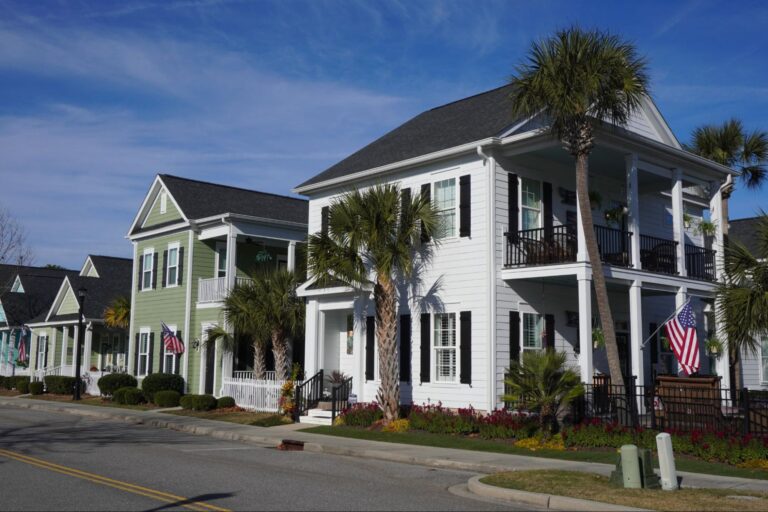


When planning a move to Charleston, South Carolina, many future residents have questions regarding homeowners insurance. Understanding homeowners insurance is crucial for protecting one of your most significant investments—your home—and ensuring peace of mind. This article will dive deep into the ins and outs of homeowners insurance in South Carolina, breaking down costs, types of coverage, and expert insights to help you make informed decisions.
The Importance of Homeowners Insurance in South Carolina
Homeowners insurance plays a vital role in safeguarding your property against unforeseen events. South Carolina’s unique weather patterns, including hurricanes and flooding, necessitate a solid homeowners insurance policy. This responsibility falls upon both current homeowners and potential buyers, and knowing the specifics can help you navigate your options effectively.
Key Components of Homeowners Insurance
Homeowners insurance consists of several components and coverages designed to protect both the structure of your home and your personal belongings. Here’s a look at the main components:
- Dwelling Coverage (Coverage A): This is the amount of insurance that will cover repairs or rebuilding of your home due to a covered peril.
- Personal Property Coverage: Protects your personal belongings in case of theft, fire, or other incidents. Ensure this coverage is adequate for your possessions.
- Liability Coverage: In today’s lawsuit-prone society, having higher liability limits is essential to protect yourself in case someone is injured on your property.
- Other Structures Coverage: Covers structures that are not attached to your home, such as a detached garage or shed.
- Loss of Use Coverage: If you cannot live in your home due to damages, this will cover additional living expenses.
To navigate this, Kayleigh McMillan, a local homeowners insurance expert from CNC Insurance Group, emphasizes how vital it is for homeowners to understand their policies fully. With numerous variables at play, knowing what to ask when shopping for insurance is critical.
Factors Influencing Homeowners Insurance Costs
One of the most common questions homeowners ask is, “How much will my homeowners insurance cost?” The truth is, there isn’t a one-size-fits-all answer. Here are the most significant factors that can influence your insurance cost:
- Credit Score: Insurers generally perceive those with better credit as less risky, which can lead to lower premiums.
- Claim History: Your past claims can impact your rates significantly. Recent claims, whether your own or those associated with the property, can lead to higher premiums.
- Home Characteristics: The age of the home, condition, and materials used in construction can all affect your insurance costs. New buildings with updated systems typically receive better rates.
- Location: Proximity to fire hydrants, fire stations, flood zones, and high-risk areas can greatly influence premiums.
- Deductibles: Higher deductibles generally lower your premium, but they reflect how much out-of-pocket expense you will incur when a claim arises.
Average Costs of Homeowners Insurance in South Carolina
Insurance costs in South Carolina vary widely based on the aforementioned factors. For a new home in a desirable area, premiums could start as low as $900 per year, while properties in high-risk zones could see rates soar as high as $7,000+ annually.
For Flood Insurance: Costs can range from $200 to $5,000, largely depending on the zone and amount of coverage desired. Many homeowners opt for private insurance to cover the gap beyond what FEMA provides, highlighting the importance of comprehensive coverage.
Essential Tips for Shopping for Homeowners Insurance
As you embark on your journey to purchase homeowners insurance, keeping the following tips in mind can result in better coverage and savings:
- Compare Quotes: Don’t settle for the first quote you receive. An independent agent can help you compare multiple carriers to find the best coverage for your needs.
- Ask the Right Questions: Ensure you inquire about crucial coverage aspects, including deductibles, liability limits, and specific endorsements for additional protection.
- Understand Coverage Levels: Be clear about the amounts covered for both raising your home in case of flooding and the conditions under which each type of insurance applies (e.g., flood vs. hurricane damage).
- Consider Bundling Policies: Combining your auto insurance with your homeowners insurance may qualify you for discounts.
Navigating Flood and Hurricane Insurance
In Charleston, flood and hurricane insurance are two critical components that often need clarification. While most homeowners insurance policies will cover hurricane damage, coverage for floods is separate. It’s advisable for all homeowners—particularly those near coastal or flood-prone areas—to consider flood insurance regardless of their home’s flood zone status.
Key Takeaways on Flood Insurance:
- FEMA’s Limits: Typically, FEMA covers up to $250,000 for flood insurance. Many find this insufficient, making it essential to opt for a private flood insurance provider.
- Risk Awareness: Even homes not designated in flood zones may be at risk, especially in low-lying areas. Every homeowner should assess their risks and consider flood insurance seriously.
Emergency Preparedness: Ensure your policy includes coverage for living expenses during repairs or if your home becomes uninhabitable due to flood damage.
Conclusion
Homeowners insurance is an intricate field, especially in South Carolina’s variable climate and unique challenges. For prospective homeowners in Charleston and the broader state, understanding the costs, types of coverage, and shopping tips can empower you to make informed insurance decisions that protect your home effectively.
If you’re planning to buy a home in Charleston or are in need of a homeowners insurance policy, it’s essential to work with knowledgeable professionals who prioritize your needs. Reach out to local experts for personalized quotes and advice tailored to your specific circumstances to secure the comprehensive coverage you need.