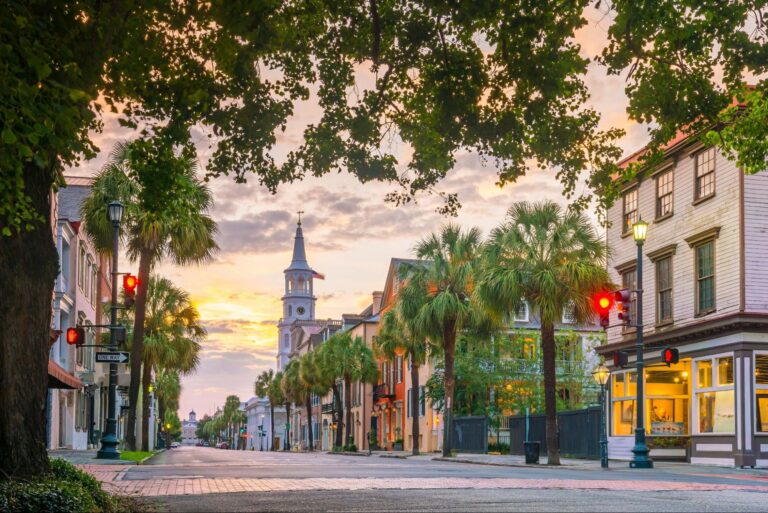

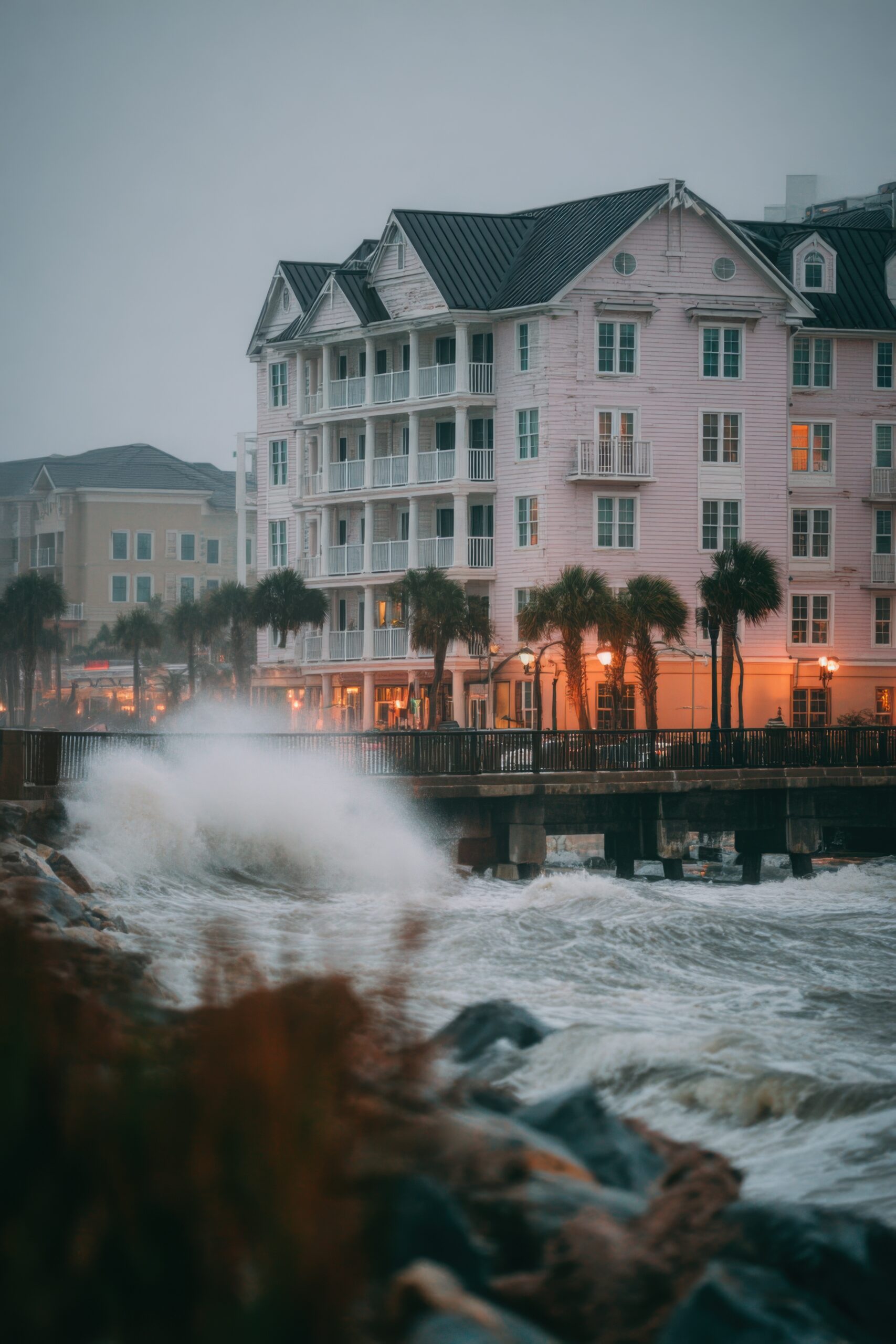
Hurricane season officially runs from June 1 through November 30, and if you’re living in Charleston, SC—or planning to move here—it’s important to understand what this year’s forecast could mean for the Lowcountry.
The good news? According to the National Oceanic and Atmospheric Administration (NOAA), the 2026 Atlantic hurricane season is expected to be below average, with a 55% chance of below-normal activity. Forecasters predict 8–14 named storms, including 3–6 hurricanes and 1–3 major hurricanes.
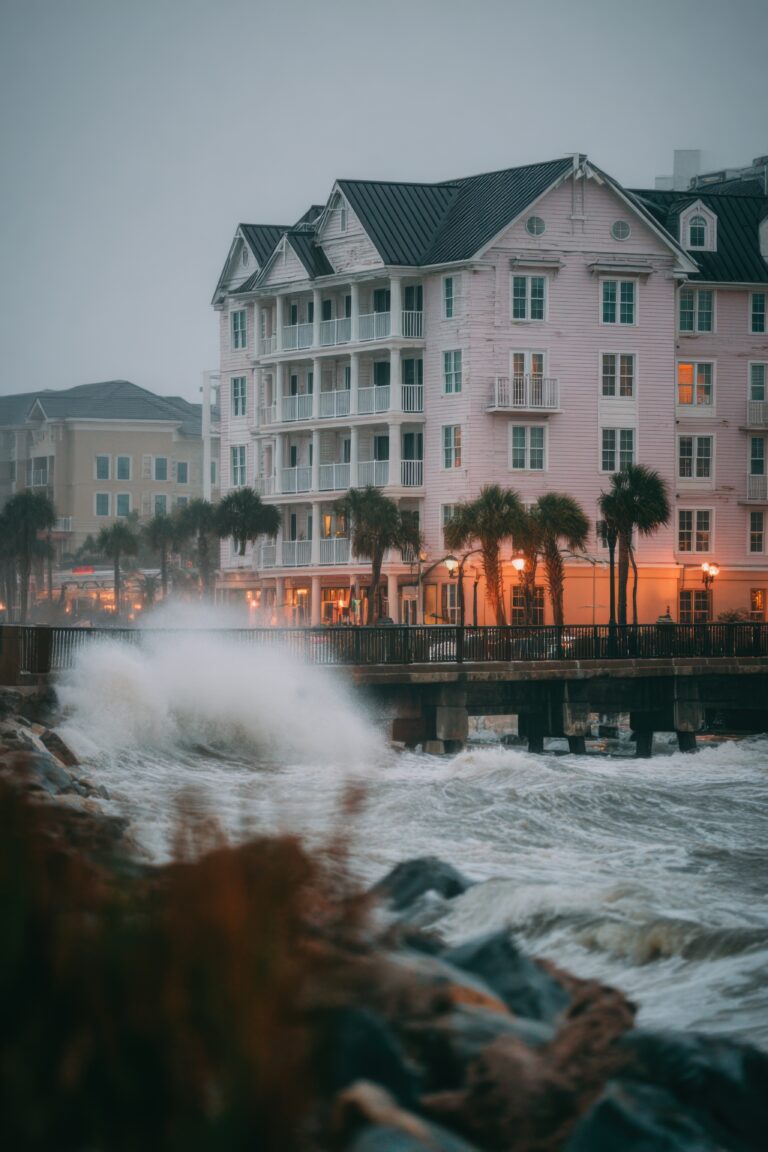
While fewer storms are expected overall, experts caution that Charleston flooding and coastal impacts remain a concern. In fact, one of the biggest risks this year may not be hurricanes themselves, but the increased likelihood of high tide flooding and nuisance flooding throughout the Lowcountry.
Here’s what Charleston homeowners and future residents should know about the 2026 hurricane season.
2026 Atlantic Hurricane Season Forecast
NOAA’s preseason outlook calls for a quieter Atlantic hurricane season than we’ve seen in recent years.
The current forecast includes:
- 8–14 named storms
- 3–6 hurricanes
- 1–3 major hurricanes (Category 3 or higher)
- 55% chance of below-average hurricane activity
Several atmospheric conditions are contributing to the forecast, but the biggest factor is the expected return of El Niño during the second half of the summer.
Historically, El Niño creates stronger upper-level winds across the Atlantic Ocean, making it more difficult for tropical systems to organize and strengthen into hurricanes.
While that generally leads to fewer storms, it doesn’t eliminate the risk of a significant hurricane impacting the South Carolina coast.
Why Charleston Could Still Experience More Flooding
One of the most important takeaways from this year’s forecast is that fewer hurricanes doesn’t necessarily mean less flooding.
NOAA scientists warn that El Niño can also contribute to:
- Higher average sea levels
- Increased king tide flooding
- More frequent nuisance flooding
- Greater storm surge potential when storms do occur
As ocean conditions shift, coastal communities like Charleston may experience flooding even without a named storm making landfall.
This is especially important because Charleston has already seen a steady increase in high tide flooding over the past decade. Roads that routinely flood during king tides may experience water intrusion more frequently, particularly when heavy rainfall coincides with unusually high tides.
Why El Niño Matters During Hurricane Season
El Niño is a naturally occurring climate pattern that influences weather around the world.
During Atlantic hurricane season, El Niño typically:
- Reduces the number of tropical storms and hurricanes
- Increases upper-level wind shear that disrupts storm development
- Raises the potential for higher coastal water levels in some regions
For Charleston residents, this creates an interesting tradeoff.
While the Atlantic may produce fewer hurricanes overall, coastal flooding can still become more common because elevated sea levels make it easier for water to spill onto roads during especially high tides.
It Only Takes One Storm
One of the biggest misconceptions about hurricane forecasts is assuming a quieter season means there’s little to worry about.
In reality, seasonal outlooks predict overall activity across the Atlantic basin—they do not predict where storms will travel or whether South Carolina will experience a direct impact.
NOAA continues to emphasize the same message every year:
It only takes one storm making landfall to make it an active hurricane season for your community.
Whether the Atlantic produces eight storms or eighteen, preparedness remains just as important for homeowners living along the South Carolina coast.
Hurricane Preparedness Tips for Charleston Homeowners
The best time to prepare for hurricane season is before a storm appears in the forecast.
Here are a few important steps every Charleston homeowner should take:
- Know your flood zone and understand whether your home requires flood insurance.
- Review your homeowners, flood, and wind insurance policies before peak hurricane season.
- Build or refresh your emergency preparedness kit with food, water, medications, flashlights, batteries, and important documents.
- Create a family evacuation plan and know your evacuation zone.
- Sign up for emergency alerts from local and state agencies.
- Monitor trusted weather sources throughout hurricane season.
Charleston locals also know one unofficial sign that storm season is getting serious: when Bessie, the famous Coburg Cow, disappears ahead of an approaching storm.
Living in Charleston Means Being Prepared
Hurricane season is simply part of life along the South Carolina coast.
The 2026 hurricane season may bring fewer storms overall, but Charleston homeowners should still be prepared for the possibility of flooding, storm surge, and severe weather throughout the season.
Understanding your flood risk, reviewing your insurance coverage, and having a plan in place before a storm develops can make all the difference.
Whether you’re a longtime resident or you’re considering moving to Charleston, SC, being informed and prepared is one of the best ways to enjoy everything the Lowcountry has to offer with confidence.