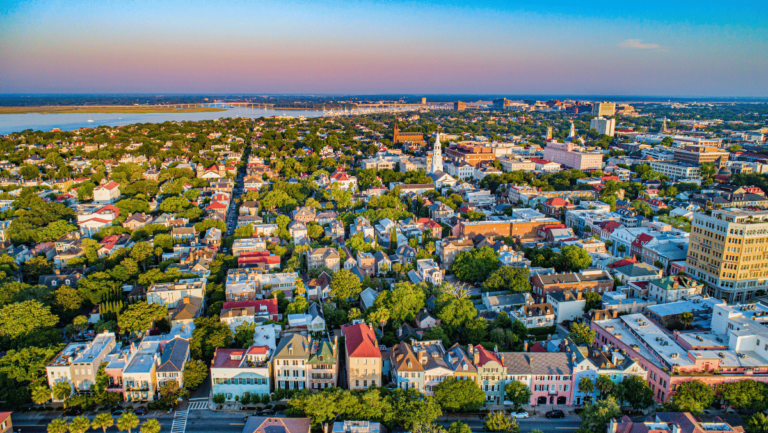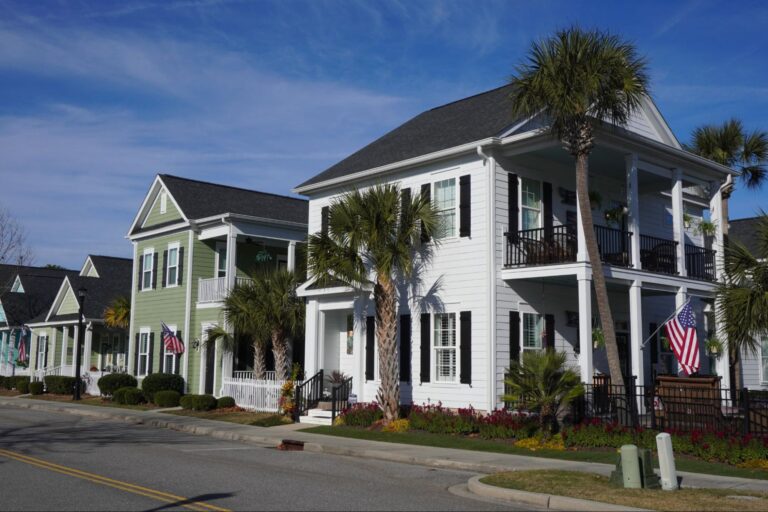

Charleston, SC continues to attract new residents with its historic charm, beautiful beaches, thriving food scene, and relaxed Lowcountry lifestyle. It’s easy to see why so many buyers are relocating to Charleston each year.
But while most people budget for the purchase price, down payment, and closing costs, there are several hidden costs of moving to Charleston, SC that can catch buyers off guard.
From flood insurance and property taxes to HOA fees and coastal maintenance, understanding the true cost of living in Charleston can help you budget more accurately and make a confident home-buying decision.
If you’re considering moving to Charleston, here are eight expenses every buyer should know before purchasing a home.
1. Flood Insurance in Charleston, SC
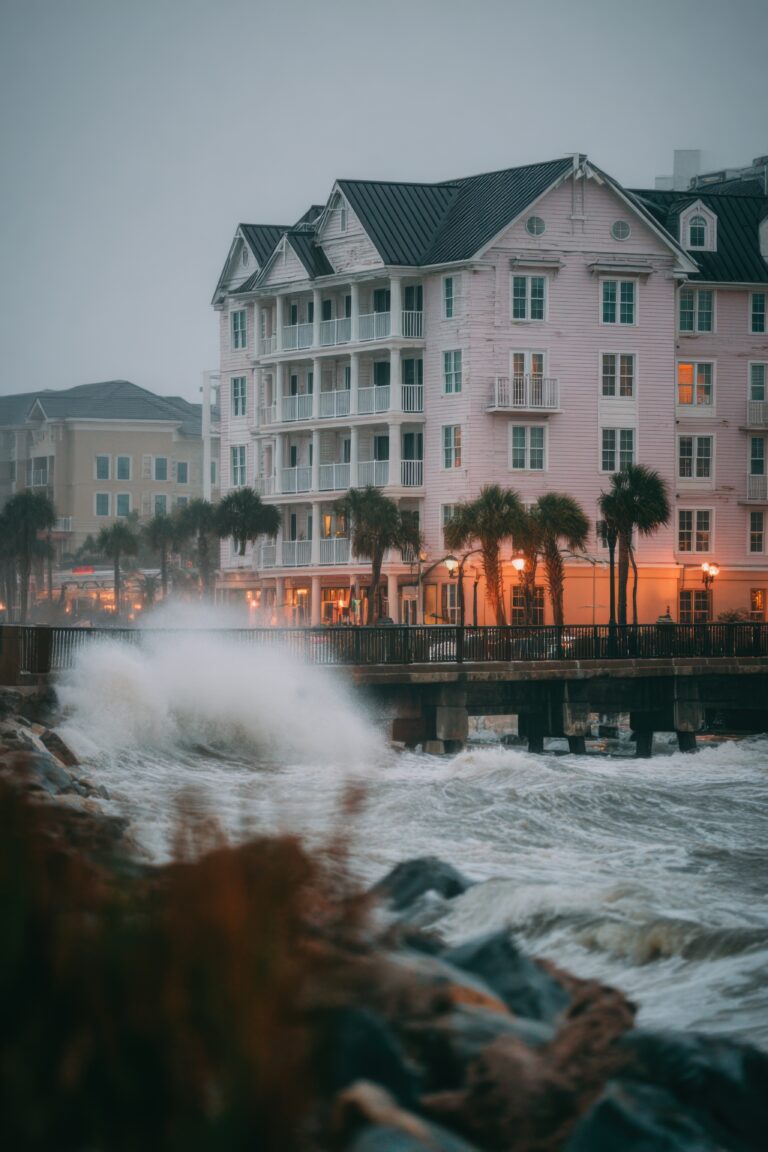
Flood insurance is often one of the first questions buyers ask when moving to Charleston—and for good reason.
Not every home requires flood insurance, but many properties throughout the Charleston area are located in designated flood zones. Premiums can vary significantly depending on factors such as:
- Flood zone designation
- Elevation of the home
- Previous flood history
- Foundation type
- Coverage amount
Two homes just a few streets apart can have dramatically different insurance costs, which is why it’s important to understand a property’s flood zone early in your home search.
Flood insurance isn’t something to fear—it’s simply another part of the overall cost of buying a home in Charleston. Factoring it into your budget from the beginning can help you make more informed decisions when comparing properties.
2. Charleston Property Taxes
One of the financial advantages of buying a home in South Carolina is the state’s property tax structure—but it’s important to understand how it works.
Homes that are owner-occupied and used as a primary residence qualify for a 4% assessment ratio (and thanks to credits like school tax exemptions, your actual property tax bill is significantly lower!), while second homes and investment properties are generally assessed at 6%.
That difference can have a significant impact on your annual expenses.
For example, on a $500,000 home, property taxes may be approximately:
- Primary residence: Around $2,500 per year
- Second home or investment property: $6,000+ per year
If you’re relocating permanently to Charleston, be sure to apply for the primary residence exemption after closing so you can take advantage of the lower assessment ratio.
3. HOA Fees in Charleston Neighborhoods
Charleston neighborhoods vary widely when it comes to homeowners association fees.
Some communities have little to no HOA dues, while others offer resort-style amenities that come with higher monthly costs.
Depending on the neighborhood, HOA fees may include:
- Community pools
- Fitness centers
- Walking trails
- Tennis or pickleball courts
- Gated entrances
- Landscaping and common area maintenance
- Neighborhood events
Higher HOA fees aren’t necessarily a disadvantage—they often reflect the amenities and lifestyle a community provides. Understanding what’s included can help you compare Charleston neighborhoods and determine which communities best fit your lifestyle and budget.
4. Wind and Hurricane Insurance in Charleston
Living on the South Carolina coast comes with additional insurance considerations beyond a standard homeowners policy.
Depending on the property’s location and insurance provider, you may need:
- Separate wind coverage
- A hurricane deductible
- A named storm deductible
Insurance costs can vary based on proximity to the coast, the age of the home, roof type, and construction materials.
Obtaining insurance quotes before making an offer can help you better understand your total monthly homeownership costs and avoid surprises after closing.
5. Coastal Home Maintenance Costs
Living near the ocean is one of the biggest benefits of living in Charleston, but the coastal climate also brings additional maintenance responsibilities.
Salt air can accelerate wear and tear on many exterior components, including:
- Exterior paint and trim
- HVAC systems
- Outdoor furniture
- Decking
- Metal fixtures and hardware
Routine maintenance helps protect your investment, but buyers relocating from inland areas are often surprised by how frequently certain items require upkeep in Charleston’s coastal environment.
6. Beach Parking Costs in Charleston
One of the best parts of living in Charleston is having easy access to beaches like Folly Beach, Isle of Palms, and Sullivan’s Island.
However, regular beach trips can come with parking expenses, particularly during the busy summer season if you’re not able to find street parking.
Depending on the beach you visit, you may encounter:
- Hourly parking fees
- Daily parking rates of $10–$20+
- Seasonal resident parking permits
While these costs may seem relatively small, they can add up over the course of a summer if you’re spending weekends at the beach.
Many locals choose to arrive early or park farther away where free street parking is available, but it’s still an expense worth considering as part of your overall cost of living in Charleston.
7. Utility Costs in Charleston
Charleston summers are long, hot, and humid, which often leads to higher utility bills than buyers moving from cooler climates expect (though often our utility costs tend to be less than what many newcomers are used to!).
Several factors can influence monthly utility costs, including:
- Older homes with less insulation
- Historic properties
- Larger homes
- Older HVAC systems
- High ceilings and large windows
If possible, reviewing a home’s previous utility bills during the due diligence period can provide valuable insight into what you can expect to pay each month.
8. Golf Cart Costs in Charleston Communities
In many Charleston neighborhoods, golf carts have become part of everyday life.
Residents often use them to:
- Grab dinner
- Visit neighbors
- Attend community events
- Access neighborhood amenities
- Travel to nearby marinas, parks, or shops
If you’re planning to own a golf cart, you’ll also want to budget for:
- Registration
- Insurance
- Battery replacement and maintenance
- Charging costs
These expenses are generally modest, but they’re another aspect of the Charleston lifestyle that’s easy to overlook during the home-buying process.
What Does It Cost to Live in Charleston, SC?
The cost of living in Charleston depends on several factors, including where you buy, whether the home will be your primary residence or a second home, and the amenities your neighborhood offers.
When planning your budget, it’s important to look beyond the purchase price and monthly mortgage payment. Additional homeownership costs may include:
- Property taxes
- Homeowners insurance
- Flood insurance (if required)
- Wind and hurricane insurance
- HOA dues
- Utilities
- Routine home maintenance
- Lifestyle expenses like beach parking or golf cart ownership
Planning for these costs ahead of time can help you avoid unexpected expenses after closing and give you a more complete picture of what it costs to own a home in Charleston.
Planning a Move to Charleston?
Charleston continues to be one of the most desirable places to live in the Southeast, offering beautiful beaches, historic neighborhoods, excellent restaurants, and an unmatched Lowcountry lifestyle.
Understanding the full cost of buying a home in Charleston—from flood insurance and property taxes to HOA fees and coastal maintenance—can help you make informed decisions and move with confidence.
Whether you’re relocating from out of state or purchasing your first home in the Lowcountry, having a local real estate expert on your side can make all the difference.
If you’re considering moving to Charleston, we’d love to help you compare neighborhoods, estimate your monthly homeownership costs, and find a home that fits both your lifestyle and your budget.