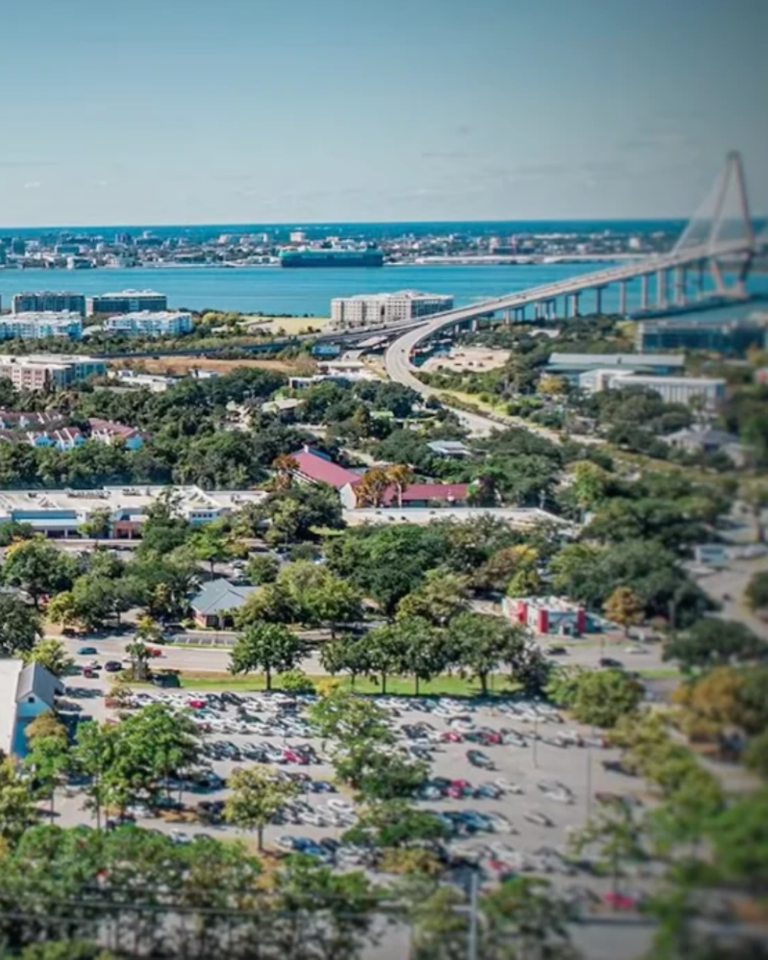

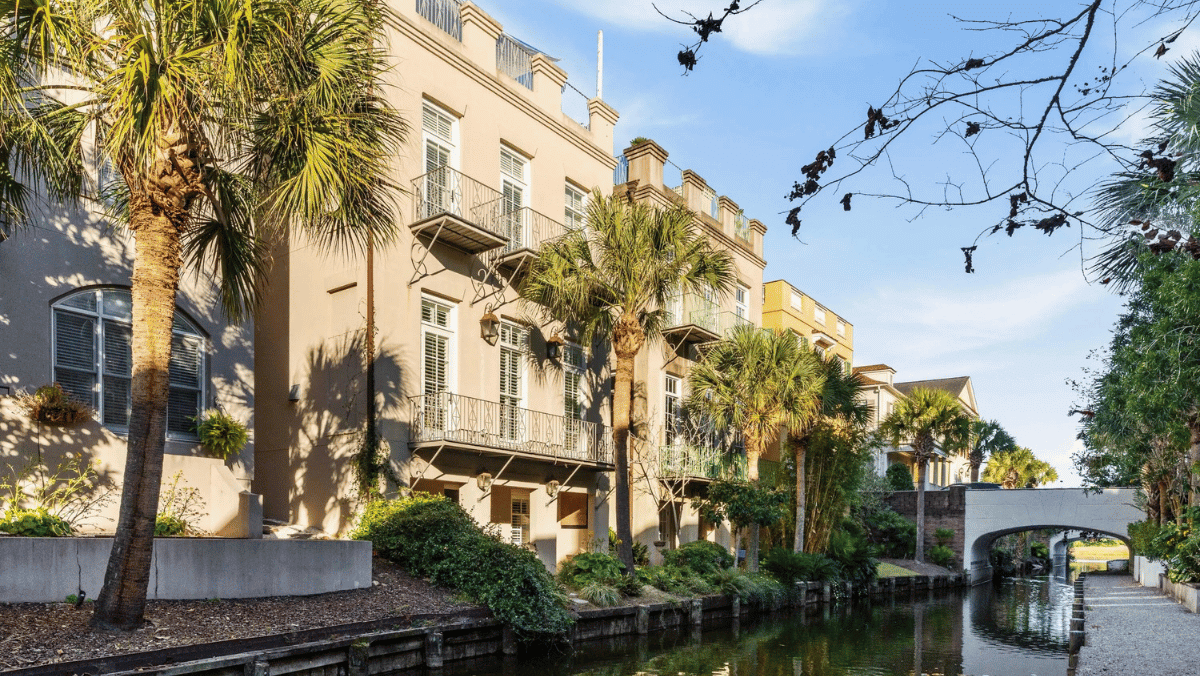
If you’re looking for the most walkable neighborhoods in Charleston, SC, Downtown may be the first place that comes to mind, but it’s not your only option. From Mount Pleasant and West Ashley to North Charleston, several neighborhoods make it easier to walk to restaurants, coffee shops, parks, trails, waterfront areas, and other everyday destinations.
Charleston is still a city where having a car is useful, especially if you want easy access to the beaches and the greater Lowcountry. But depending on where you live, you may not need to get behind the wheel every time you want to grab coffee, meet friends for dinner, or spend an afternoon outside.
Here are five walkable Charleston neighborhoods worth considering and what each one offers.
Charleston’s Most Walkable Neighborhoods at a Glance
| Neighborhood | Best For | What’s Nearby |
|---|---|---|
| Downtown Charleston | Overall walkability | Dining, shopping, coffee, parks, waterfront |
| Old Village | Small-town feel | Pitt Street Bridge, parks, local dining |
| Park Circle | Breweries & community | Dining, breweries, coffee, parks |
| Avondale | Dining & downtown access | Restaurants, bars, coffee, Greenway |
| I’On | Planned community living | Trails, parks, dining, community spaces |
1. Downtown Charleston: Best for Overall Walkability
Best for: The most walkable Charleston lifestyle
If maximum walkability is at the top of your list, it’s hard to beat Downtown Charleston. Depending on where you live on the peninsula, restaurants, coffee shops, boutiques, galleries, parks, historic landmarks, and waterfront spaces can all be within walking distance.
Different parts of the peninsula offer their own version of downtown living. South of Broad puts you close to the Battery and White Point Garden, while living closer to King Street means restaurants, boutiques, galleries, and nightlife are within easy reach. Farther north, neighborhoods like Cannonborough-Elliotborough mix residential streets with local restaurants, coffee shops, and businesses.
One of the biggest perks of living downtown is simply how much you can do without getting in the car.
Walk to: Restaurants, coffee shops, shopping, parks, galleries, waterfront areas + entertainment.
Keep in mind: Downtown generally comes with a higher price point, and parking, tourism, and maintaining an older or historic home can all be considerations depending on where you buy.
2. Old Village, Mount Pleasant: Best for Small-Town Walkability
Best for: Walkability with a quieter, neighborhood feel
For buyers searching for a walkable neighborhood in Mount Pleasant, Old Village offers a quieter alternative to downtown living.
Tree-lined streets, historic homes, parks, and waterfront views make walking and biking a natural part of life here. The Pitt Street Bridge is one of the neighborhood’s biggest draws, with a pedestrian path extending into the harbor and views toward Charleston and Sullivan’s Island.
Old Village can be a great fit if you love the character and walkability associated with Downtown Charleston but prefer a more residential setting.
Walk to: Pitt Street Bridge, neighborhood restaurants and shops, parks, waterfront areas + residential streets.
Keep in mind: Old Village is highly sought after, and its combination of location, character, and limited inventory can come at a premium.
3. Park Circle, North Charleston: Best for Breweries and Community
Best for: Restaurants, community, and a casual atmosphere
Park Circle is one of North Charleston’s most walkable neighborhoods, especially if being close to restaurants and local businesses is high on your list.
Much of the activity centers around East Montague Avenue, where you’ll find restaurants, breweries, coffee shops, bars, and local businesses. If you live nearby, meeting friends for dinner or grabbing coffee can easily become a walk instead of a drive.
Parks and recreation areas add another layer to the neighborhood’s walkability, while the mix of cottages, renovated older homes, newer construction, and townhomes gives buyers a range of housing options.
Walk to: Restaurants, breweries, coffee shops, parks, recreation + neighborhood businesses.
Keep in mind: Walkability varies depending on exactly where you live, so proximity to East Montague and the neighborhood’s central amenities can make a big difference.
4. Avondale, West Ashley: Best for Dining and Downtown Access
Best for: Dining, nightlife, and easy access to Downtown Charleston
Just across the Ashley River from the peninsula, Avondale is one of West Ashley’s more walkable areas.
The commercial district gives nearby residents access to restaurants, bars, coffee shops, and local businesses, while the surrounding streets have a quieter, established neighborhood feel.
Another major perk is access to the West Ashley Greenway, which provides a dedicated route for walking, running, and biking. And because Avondale is just across the river from the peninsula, it can be a good fit for buyers who want to stay close to Downtown Charleston without actually living downtown.
Walk to: Restaurants, bars, coffee shops, local businesses + the West Ashley Greenway.
Keep in mind: How walkable Avondale feels depends on where your home is located in relation to the commercial district and Greenway.
5. I’On, Mount Pleasant: Best for a Walkable Planned Community
Best for: Planned community living
I’On offers a different kind of walkability because pedestrian-friendly living was intentionally incorporated into the community’s design.
The neighborhood is built around sidewalks, trails, parks, ponds, green spaces, and gathering areas. Residents can take a walk, head to dinner, visit a park, or spend time outside without leaving the community.
I’On Square also provides a central destination with restaurants and businesses, while the neighborhood’s front porches, narrower streets, and pocket parks take inspiration from traditional Charleston neighborhoods.
Walk to: Restaurants, neighborhood businesses, parks, trails, ponds + community gathering areas.
Keep in mind: I’On’s walkability is more community-focused than urban. If you want a large concentration of restaurants, shops, and entertainment within a few blocks, Downtown Charleston may be a better fit.
Which Walkable Charleston Neighborhood Fits Your Lifestyle?
While all five of these neighborhoods offer opportunities to spend more time on foot, they don’t necessarily offer the same lifestyle.
If you want the most you can do on foot: Start with Downtown Charleston.
If you want a quieter, small-town atmosphere: Look at Old Village.
If you want restaurants, breweries, and a casual neighborhood feel: Explore Park Circle.
If you want to stay close to downtown without living on the peninsula: Consider Avondale.
If you want trails, parks, and amenities built into your community: Take a look at I’On
What Does “Walkable” Really Mean in Charleston?
Walkability can mean something different depending on how you actually spend your time.
For some buyers, it means being able to walk to dinner and coffee. For others, it’s having trails, parks, or waterfront areas nearby. And for some, the goal is simply being able to leave the car at home more often on evenings and weekends.
That distinction matters in Charleston because each neighborhood offers a different version of walkable living. Before choosing an area based on walkability alone, think about the places you actually want to be able to reach on foot.
FAQs About Walkable Neighborhoods in Charleston, SC
What is the most walkable neighborhood in Charleston, SC?
For buyers who want the greatest concentration of restaurants, coffee shops, shopping, parks, and other destinations within walking distance, Downtown Charleston generally offers the most walkable lifestyle.
Where you live on the peninsula still matters, though. Different downtown neighborhoods offer varying levels of access to shopping, dining, nightlife, parks, and the waterfront.
Can you live in Charleston without a car?
It’s possible to rely less on a car in certain parts of Downtown Charleston, especially if many of your everyday destinations are located on the peninsula. However, most Charleston-area residents will still find having a car useful for getting to the beaches, other parts of the metro area, grocery stores, work, and destinations farther outside their neighborhood.
What are the most walkable neighborhoods outside Downtown Charleston?
Old Village and I’On in Mount Pleasant, Park Circle in North Charleston, and Avondale in West Ashley are a few neighborhoods to consider if you want some degree of walkability without living in Downtown Charleston.
Each offers something different, from restaurants and nightlife to trails, parks, waterfront areas, and community amenities.
Is Downtown Charleston walkable?
Yes. Downtown Charleston is generally the most walkable part of the Charleston area, particularly for buyers who want restaurants, shopping, coffee shops, parks, historic sites, and entertainment close to home.
However, the peninsula covers a relatively large area, so the experience can vary depending on the specific neighborhood and where your everyday destinations are located.
Is Mount Pleasant, SC walkable?
Mount Pleasant as a whole is largely car-dependent, but certain neighborhoods offer more opportunities to get around on foot.
Old Village offers a more traditional neighborhood setting with parks, waterfront areas, and local destinations nearby, while I’On was designed with sidewalks, trails, parks, and community amenities incorporated throughout the neighborhood.
Which Charleston Neighborhood Is Right for You?
Walkability is only one piece of choosing where to live in Charleston, but it can have a major impact on your everyday experience.
Someone who wants to walk to dinner and coffee may end up with a completely different neighborhood shortlist than someone who prioritizes quiet streets, trails, parks, or easy access to the water.
If you’re considering a move to Charleston, think about what you want your typical day to look like and what you’d actually like to have within walking distance of home.
Not sure which area fits your lifestyle? The Elevate Team can help you compare Charleston neighborhoods, understand the local market, and find the right place to call home.