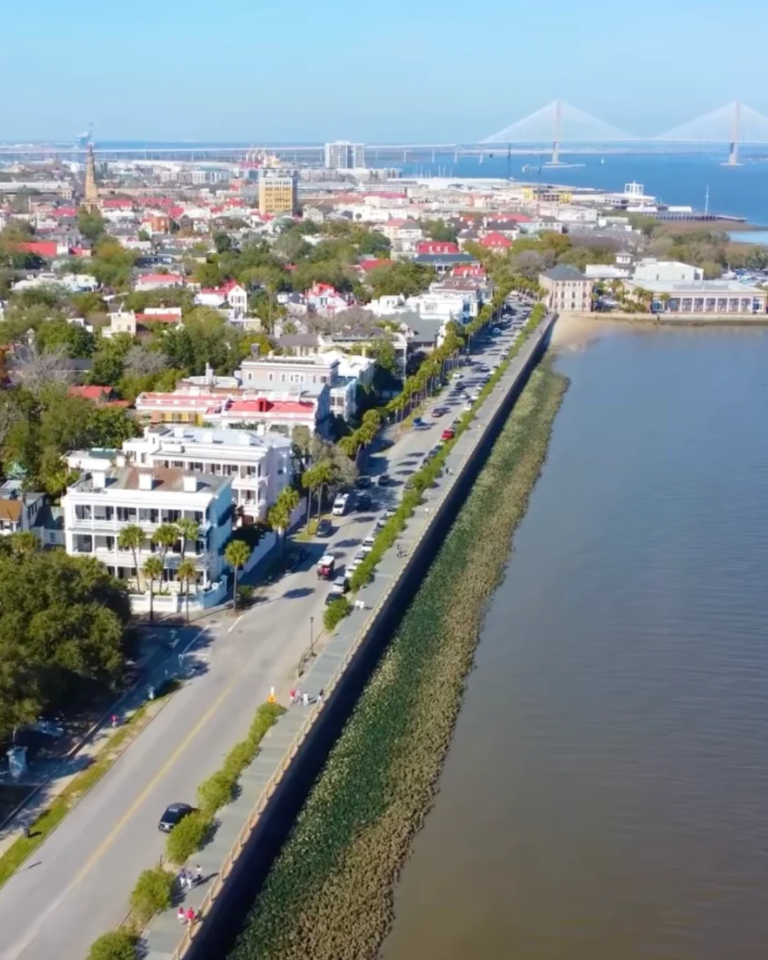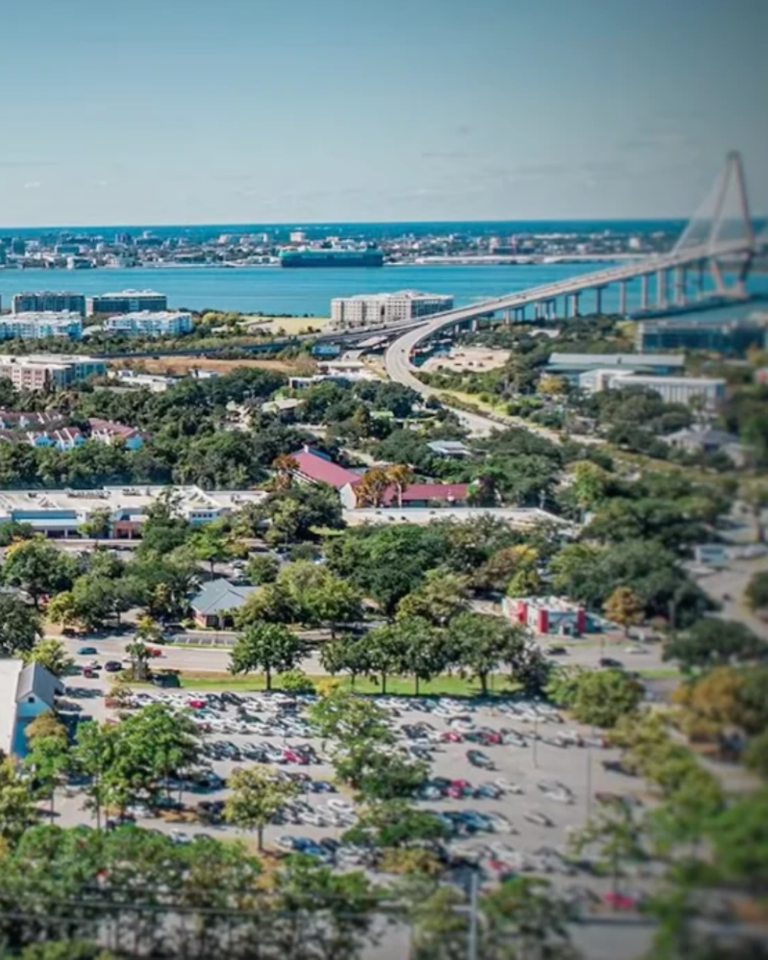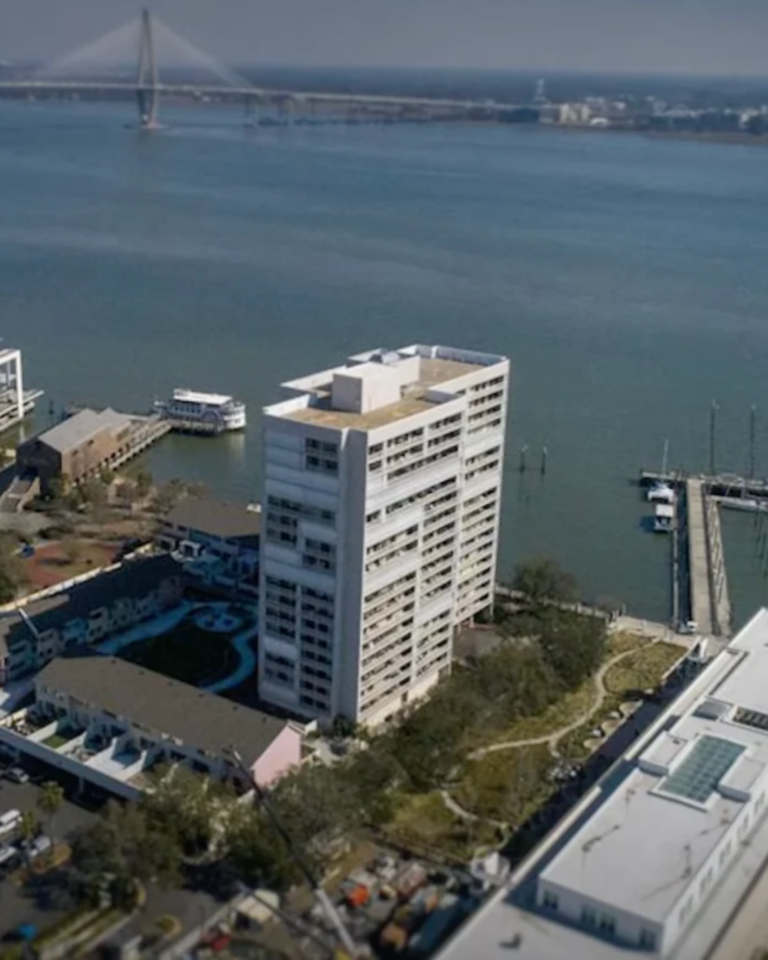

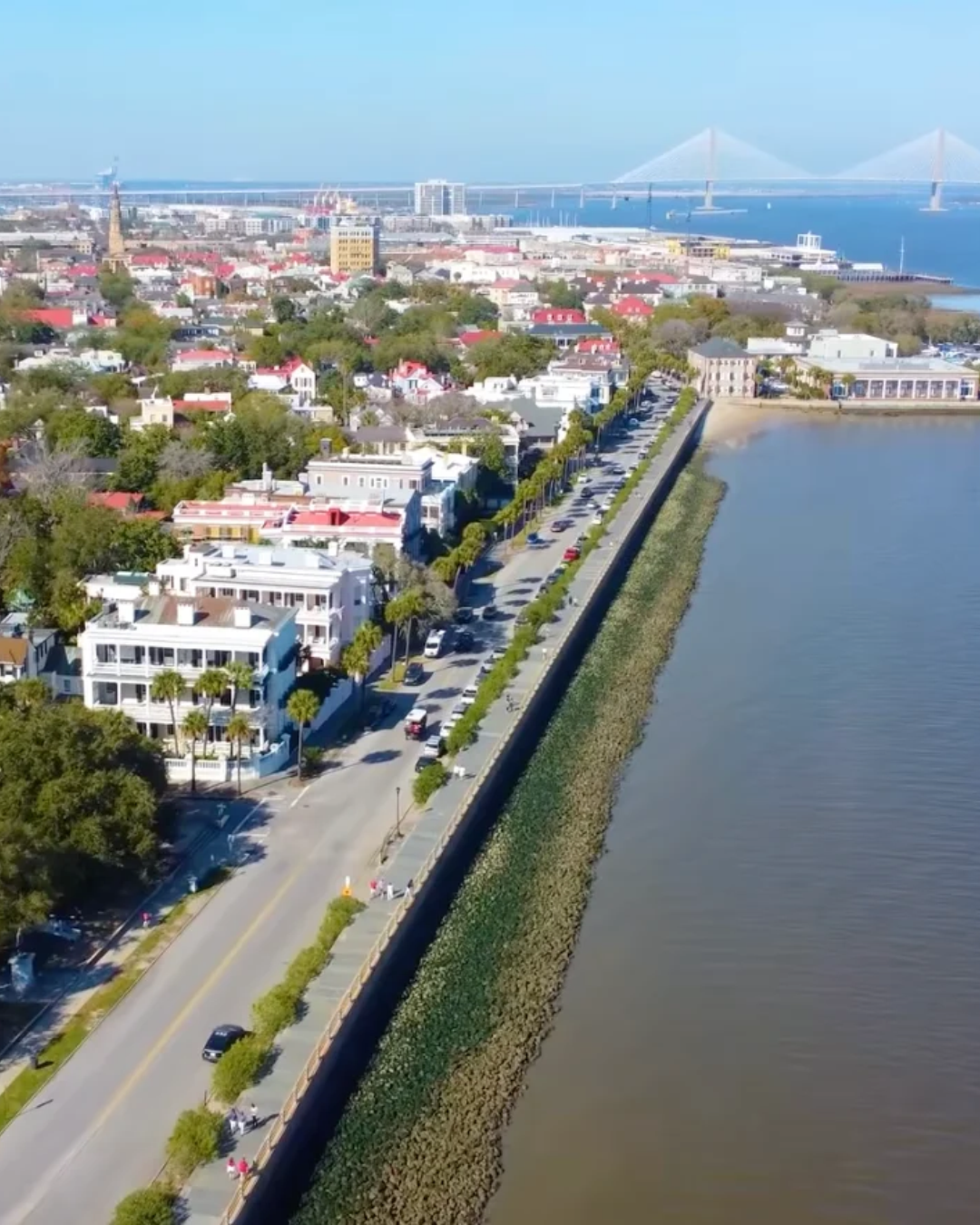
Charleston has always had charm, but the secret is definitely out.
People may first fall in love with Charleston for the history, food, beaches, and slower Lowcountry lifestyle, but there’s more happening here than what you experience during a long weekend. Charleston has continued to gain national attention while its population and economy grow, making it an increasingly popular choice for people looking to put down roots along the coast.
So, why are so many people moving to Charleston, SC? In our latest video, Sarah takes a deeper look at what’s driving Charleston’s growth, what it’s actually like to live here, how the housing market is changing, and a few of the trade-offs potential buyers should know before making the move.
Watch the full video below for Sarah’s complete breakdown, then keep reading for a closer look at a few of the reasons Charleston continues to stand out.
Charleston Is More Than a Vacation Destination
Charleston has been earning national recognition for years, and its reputation extends well beyond its historic streets.
The city’s restaurant scene continues to gain national attention, its cultural calendar has grown, and Charleston consistently attracts visitors for everything from food and architecture to beaches and outdoor recreation.
And for plenty of people, that’s where the idea of moving here begins.
You visit for a long weekend, spend a morning walking downtown, head to the beach, eat really well, and start wondering what it would be like if this were everyday life.
The Charleston Lifestyle Is Hard to Replicate
One of Charleston’s biggest advantages is how many different lifestyles exist within a relatively compact region.
You can spend the morning downtown and the afternoon at the beach. There are rivers, marshes, waterfront parks, golf courses, trails, and boating practically woven into everyday life. Mild winters also make it possible to spend significantly more of the year outside.
At the same time, living in Charleston, SC doesn’t necessarily mean living downtown. Most residents live in surrounding communities and head downtown when they want to enjoy it.
That creates a mix that’s difficult to find in many coastal cities: a historic urban core surrounded by suburban communities, beaches, waterways, and quieter pockets of the Lowcountry.
Charleston’s Economy Is Growing, Too
Charleston may be known for tourism and hospitality, but those industries only tell part of the economic story.
Aerospace, advanced manufacturing, logistics, healthcare, military, technology, and port-related industries all have a significant presence in the region. Major employers and institutions including Boeing, Volvo, Joint Base Charleston, MUSC, and the Port of Charleston contribute to an economy that is much more diversified than many people moving here initially realize.
That matters for relocation. Charleston isn’t simply attracting people who want to retire near the coast or work remotely. It’s also a growing employment center in its own right.
More People Are Calling Charleston Home
Charleston’s growth isn’t just something you notice in new neighborhoods and increased traffic.
The Charleston-North Charleston metro has grown considerably in recent years, while South Carolina has continued to attract inbound moves. Some people are coming for work. Others are drawn by the climate, coastal lifestyle, retirement opportunities, or ability to work remotely.
Whatever the reason, Charleston continues to attract people looking for an alternative to larger coastal markets.
There’s More Than One Way to Live in Charleston
One of the most important things to understand before moving to Charleston, SC is that the region doesn’t offer one singular lifestyle.
Downtown Charleston gives you historic architecture and walkability. Mount Pleasant offers established neighborhoods with convenient access to downtown and the beaches. West Ashley can provide a balance between location and value, while James Island appeals to buyers who want to be close to Folly Beach.
Farther out, Summerville has significantly more new construction, Daniel Island offers a master-planned environment, and North Charleston can make sense for buyers prioritizing value and proximity to major employment centers.
The question isn’t simply whether you want to live in Charleston. It’s which version of Charleston fits the life you want to live.
What About the Charleston Housing Market?
Charleston real estate has changed considerably from the ultra-competitive market of a few years ago.
By early 2026, buyers generally had more breathing room, with homes taking longer to sell and more opportunities to negotiate than during the height of the pandemic-era housing frenzy. But Charleston is not one single housing market.
Home prices vary dramatically depending on whether you’re looking in Downtown Charleston, Mount Pleasant, West Ashley, North Charleston, Summerville, or one of the area’s coastal communities. Premium properties in highly sought-after locations can still behave very differently from the broader market.
Watch: Why Charleston Is America’s Next Great Coastal City
There’s a lot more behind Charleston’s growth than we can fit into one article.
In the full video, Sarah takes a deeper look at the numbers behind Charleston’s population growth, the industries driving the local economy, what’s happening in the housing market, where people are choosing to live, and the downsides you should know before relocating.
If Charleston is on your radar, watch the full video for a better picture of what living here actually looks like before you make the move.
Is Living in Charleston SC Right for You?
Charleston certainly isn’t perfect.
Summers are hot and humid. Traffic has become a bigger consideration as the region has grown. Flooding, hurricane risk, and insurance costs also need to be understood when you’re buying property in a coastal market.
But Charleston offers a combination that continues to be difficult to replicate: historic character, beaches and waterways, a celebrated food scene, outdoor living, a growing economy, and a wide variety of communities within one metro area.
If you’re considering moving to Charleston, SC, start by watching Why Charleston Is America’s Next Great Coastal City above. Then, when you’re ready to figure out which part of Charleston makes the most sense for your budget, priorities, commute, and lifestyle, reach out to The Elevate Team. We help buyers make this move every day and would love to help you find your place here.